
Depression
Depression: Symptoms, Causes, Treatment & How Counselling Can Help
Empathy in Therapy
10/6/20252 min read
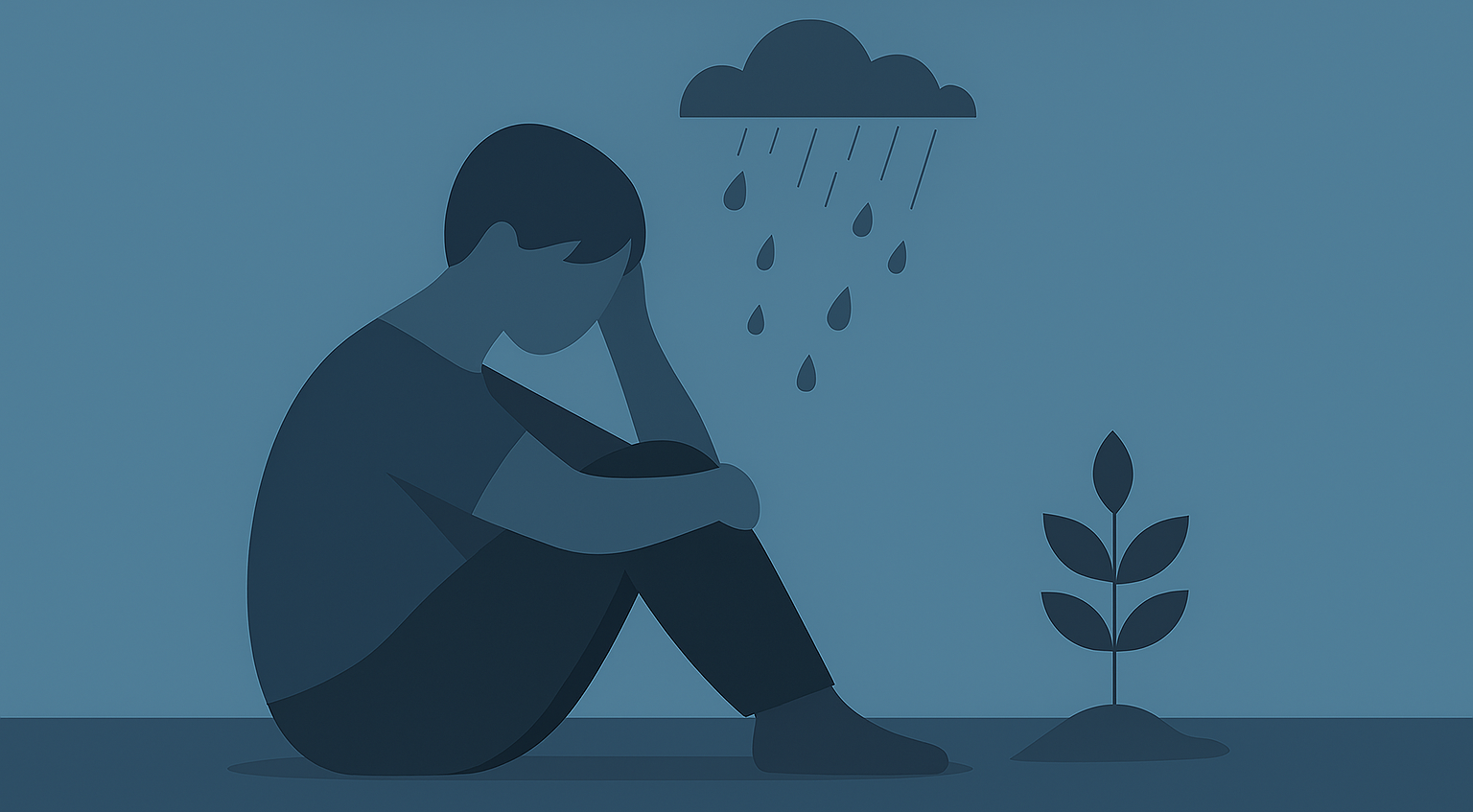
Depression can go unnoticed for many years and all to often we are told to ‘get on with it’, ‘it’ll be ok’, ‘smile’. When suffering with depression it is simply not that easy. The constant self-deprecating, immense sadness, emptiness, fatigue, inability to make good decisions and loss of interest in things are all debilitating and it can impact our lives at varying levels.
Some might find that over working is their stability and everything is ‘fine’. ‘I can do my job’ but those feelings are still constantly there, being covered up, seeping out when you get home or are alone.
Others may have relationship breakdowns, be unable to work, unable to take care of themselves and others because of the severity of symptoms, the lack of understanding of the illness or difficulties accessing help and support.
Depression is a common but serious mental health condition that affects how you feel, think, and function. It goes beyond occasional sadness — it’s a persistent low mood that can interfere with daily life, relationships, and self-worth.
Many people ask: “Am I depressed?” If you’ve been feeling consistently low, overwhelmed, or disconnected, it may be time to explore this and be open to help and support.
🔍 Common Symptoms of Depression
Recognising the signs of depression is the first step toward getting help. Symptoms may include:
Persistent sadness or emptiness
Loss of interest in activities once enjoyed
Fatigue or low energy
Difficulty concentrating or making decisions
Changes in sleep or appetite
Feelings of guilt, worthlessness, or hopelessness
Thoughts of self-harm or suicide
If these symptoms last more than two weeks, it is important to seek some medical advice. Depression can sometimes go on for far too long without being recognised and it is not always constant in the severity of symptoms. It is important to notice this and acknowledge if it is affecting your life – there is support available.
🧠 What Causes Depression?
Other myths of depression is that it is because your ‘too soft’ which is another factor that prevents people from reaching out for help.
Depression can be caused by a mix of biological, psychological, and environmental factors:
Genetics: A family history of depression may increase risk
Brain chemistry: Imbalances in neurotransmitters like serotonin
Life events: Bereavement, trauma, or relationship breakdowns
Chronic stress: Financial worries, caregiving, or work pressure
Health conditions: Hormonal changes, chronic illness, or pain
Understanding the root causes can help tailor the right support.
🛠️ Treatment Options for Depression
Treatment is usually very personal to the individual and can be one or a combination of many things that is right for you. There are several effective treatments for depression, including:
Counselling and psychotherapy: Talking therapies like CBT or integrative counselling
Medication: Antidepressants prescribed by a GP or psychiatrist
Lifestyle changes: Exercise, nutrition, sleep hygiene, and mindfulness
Support networks: Friends, family, peer groups, or helplines see here for more information on helplines
Recovery is possible — and help is available.
💬 How Counselling Can Help with Depression
Counselling offers a safe, confidential space to explore your thoughts and feelings. It can help you:
Understand the emotional roots of your depression
Develop coping strategies and build resilience
Reconnect with your values and sense of self
Feel heard, validated, and supported
Depression is not a weakness, a flaw, or something to simply “get over.” It’s a complex and deeply personal experience that deserves understanding, compassion, and support. If you or someone you care about is struggling, know that you are not alone — and that help is available. Whether through counselling, lifestyle changes, medication, or simply being heard, recovery is possible. Reaching out is a brave and vital first step toward healing.
Information on some of the helplines available are here and if you would like more information on counselling and depression contact Amy at Empathy in Therapy here.
Accreditations and registered associations
07947 176752
© 2025. All rights reserved.

Enhanced DBS check
Portrait photography by Anabell Sandoval