
Anxiety
Understanding anxiety: What it is, how it shows up and when support can help
Empathy in Therapy
1/26/20264 min read
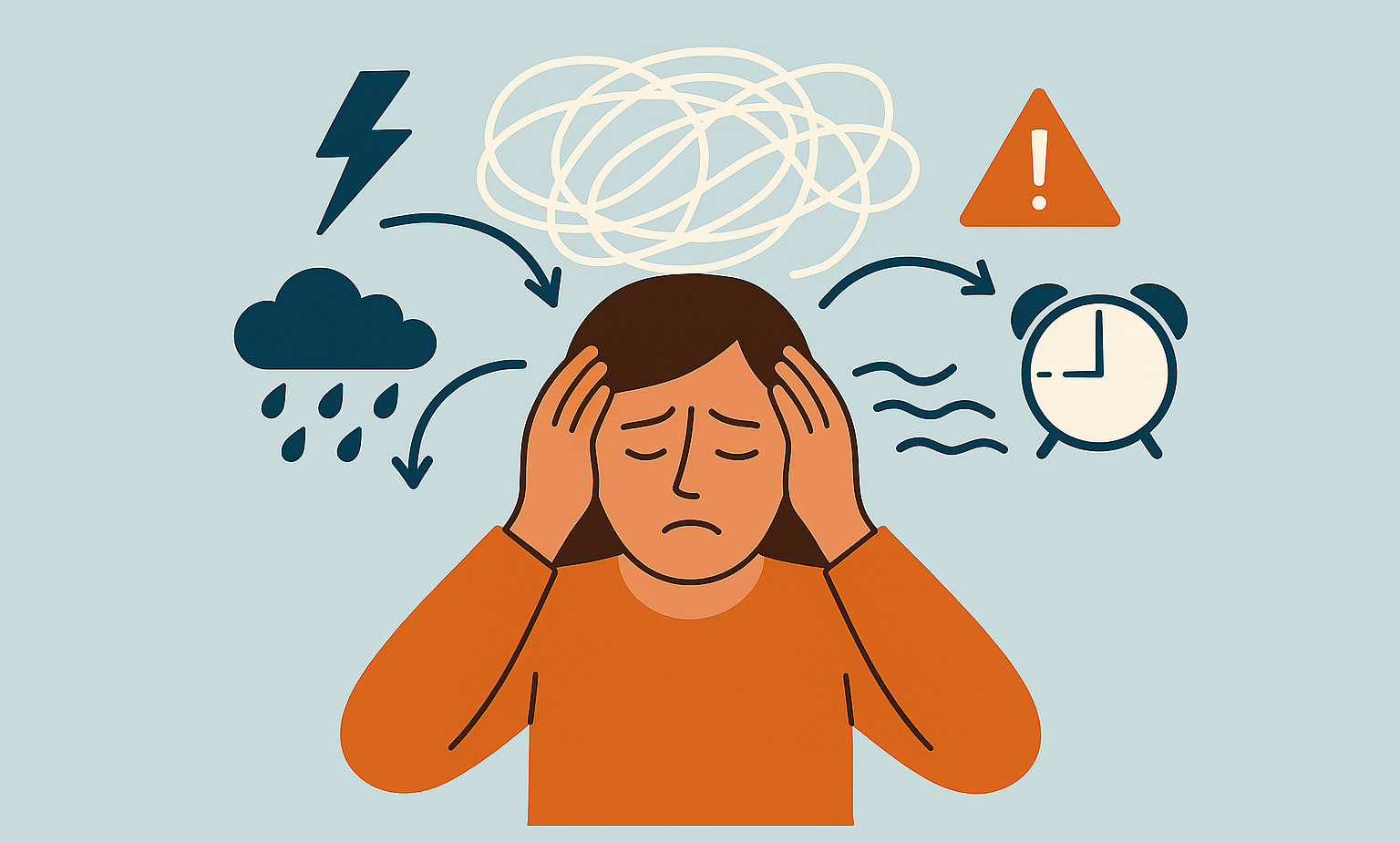
🌿 Understanding Anxiety: What It Is, How It Shows Up, and When Support Can Help
Anxiety is one of the most common reasons people seek counselling, yet it can feel incredibly personal and isolating when you’re living with it. Many people describe anxiety as a constant sense of worry, tension, or unease — but it can also show up in the body, in relationships, and in the way we move through the world.
If you’ve read my blog on depression, you’ll notice that anxiety and depression often overlap. They are different experiences, but they can influence each other in powerful ways. Understanding anxiety on its own terms can help you recognise what you’re feeling and what kind of support might be helpful.
🌱 What Anxiety Actually Is
Anxiety is a natural human response. It’s part of our survival system — the part that alerts us to danger, helps us prepare, and keeps us safe. But when anxiety becomes overwhelming, constant, or disproportionate to what’s happening around us, it can start to affect daily life.
People often experience anxiety in one or more of these ways:
Persistent worry or fear
Feeling on edge or unable to relax
Racing thoughts
Difficulty concentrating
Physical symptoms such as a tight chest, nausea, shaking, or a fast heartbeat
Trouble sleeping
Feeling overwhelmed by everyday tasks
Anxiety can be triggered by stress, life changes, past experiences, or sometimes no clear reason at all. None of this means you’re “overreacting” — it means your nervous system is working overtime.
🌤️ How Anxiety and Depression Can Interact
Although anxiety and depression are distinct, they often appear together. Many people find that:
Anxiety can lead to exhaustion, which can then feel like low mood
Depression can make everyday tasks harder, which can increase anxiety
Both can affect sleep, motivation, and self‑confidence
Both can create a sense of being stuck
If you’ve read the depression blog, you’ll recognise themes of heaviness, withdrawal, and emotional fatigue. Anxiety often brings the opposite energy — restlessness, tension, and hyper‑alertness — yet both can leave you feeling overwhelmed and disconnected from yourself.
Understanding the relationship between the two can help you make sense of your experience with more compassion and less self‑judgement.
🧠 Why Anxiety Feels So Physical
Anxiety isn’t “just in your head”. It’s a full‑body experience.
When your brain perceives a threat — real or imagined — your body releases stress hormones like adrenaline and cortisol. This can lead to:
A racing heart
Shallow breathing
Sweating
Digestive discomfort
Muscle tension
Feeling shaky or dizzy
These sensations can be frightening, especially if they seem to come out of nowhere. Counselling can help you understand these responses and learn ways to regulate your nervous system.
🌼 Common Triggers for Anxiety
Everyone’s experience is unique, but some common triggers include:
Work‑related stress or burnout
Relationship difficulties
Health concerns
Financial pressure
Past trauma
Social situations
Major life changes
Feeling out of control or overwhelmed
Sometimes the trigger is clear. Sometimes it isn’t. Both are valid.
🌾 When Anxiety Becomes Hard to Manage
You might consider seeking support if:
Anxiety is affecting your sleep, appetite, or daily routine
You’re avoiding situations because of fear or worry
You feel constantly on edge
Your thoughts feel overwhelming or intrusive
You’re finding it hard to switch off
Anxiety is impacting your relationships or work
You feel stuck in a cycle of worry
Just like with depression, you don’t need to wait until things feel unmanageable before reaching out. Counselling can be helpful at any stage — whether you’re struggling, curious, or simply wanting space to understand yourself better.
🛋️ How Counselling Can Help with Anxiety
Counselling offers a calm, confidential space to explore what you’re experiencing. Together, we might:
Identify patterns or triggers
Explore the roots of your anxiety
Understand how your body responds to stress
Develop grounding and regulation strategies
Build self‑compassion
Strengthen your sense of safety and control
The aim isn’t to eliminate anxiety entirely — anxiety is part of being human. Instead, counselling helps you relate to your anxiety differently, so it feels less overwhelming and more manageable.
🌙 Anxiety, Depression, and Self‑Compassion
If you’ve read the depression blog, you’ll know that self‑criticism often plays a role in low mood. The same is true for anxiety. Many people judge themselves for worrying “too much” or not being able to “just relax”.
But anxiety isn’t a personal failing. It’s a nervous system doing its best to protect you.
Counselling can help you move from self‑blame to self‑understanding — a shift that can be deeply healing for both anxiety and depression.
❓ Frequently Asked Questions About Anxiety
Is anxiety normal?
Yes. Everyone experiences anxiety at times. It becomes a concern when it starts to interfere with daily life.
Can anxiety and depression happen together?
Absolutely. Many people experience both, and they can influence each other. You can read more about depression in my related blog.
What if I don’t know why I’m anxious?
That’s very common. Counselling can help you explore this gently and at your own pace.
Will counselling make my anxiety worse at first?
Talking about difficult feelings can bring up emotions, but you’re always in control of the pace. Many people feel relief simply from being heard.
🗺️ Taking the Next Step
If you’re noticing signs of anxiety — or if you’re unsure whether what you’re feeling is anxiety, depression, or a mix of both — you’re welcome to reach out. An initial conversation can help you get a sense of whether counselling feels right for you.
You may also find it helpful to read my blog on depression, especially if you’re experiencing both low mood and anxiety. Understanding the connection between the two can be an important part of your healing.
For more information about Empathy in Therapy see here
Accreditations and registered associations
07947 176752
© 2025. All rights reserved.

Enhanced DBS check
Portrait photography by Anabell Sandoval